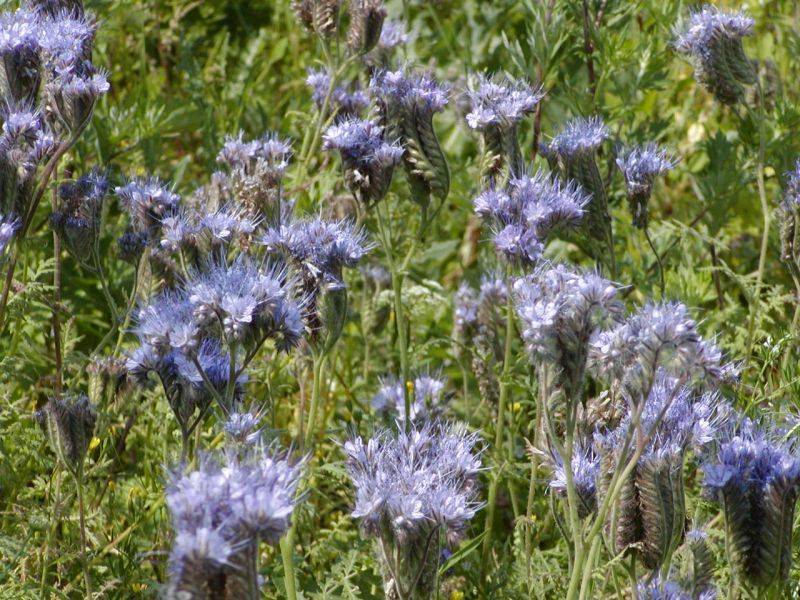
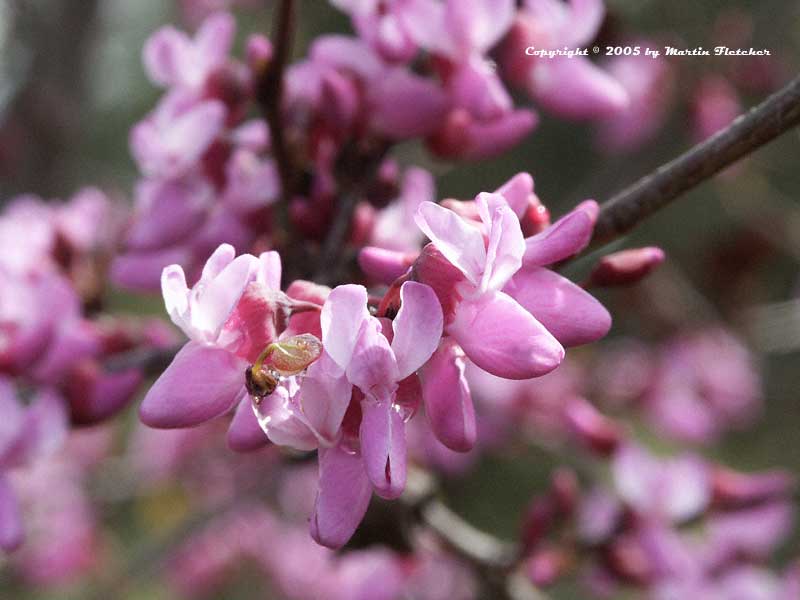
Poppies are the stars of the meadow right now. There's Blue-eyed grass and Yarrow mixed in with a couple other things, but its the poppies that are taking the prizes right now. I'm adding supplemental water and hoping for one last storm to give me some additional punch with the blooms.
My only regret is that I wish I had not used the inland poppy variety.
Showing posts with label meadow. Show all posts
2011-03-16
2011-03-06
California native meadow rejuvenation
Hot on the heels of my somewhat remorseful post about my meadow neglect is a post about meadow rejuvenation.

Weeds dug:

Mulch down:

I think that the Platonic ideal meadow doesn't have a mulch, but mine does now. It's simply too much work to contend with the weeds otherwise. I chose a shredded bark mulch because I thought it would decompose fast enough to mimic decomposition in an actual meadow while still keeping the weeds down. I also thought it would stay on the slight slopes that I've built and not roll or wash off.
I had the help of Saul and Juli who worked with me all day and we managed to weed and prune the whole front yard as well as other miscellaneous tasks.
- Posted at great expense from my iPhone

Weeds dug:

Mulch down:

I think that the Platonic ideal meadow doesn't have a mulch, but mine does now. It's simply too much work to contend with the weeds otherwise. I chose a shredded bark mulch because I thought it would decompose fast enough to mimic decomposition in an actual meadow while still keeping the weeds down. I also thought it would stay on the slight slopes that I've built and not roll or wash off.
I had the help of Saul and Juli who worked with me all day and we managed to weed and prune the whole front yard as well as other miscellaneous tasks.
- Posted at great expense from my iPhone
2011-02-28
California native meadow apology / apologia
I owe some time and effort to my California meadow, which despite my neglect for a year or more, has come back to life with our recent rains, but it hasn't come back as it was originally envisioned or planned. It looks nice and green, but it's weed city.

This blog is both apology and apologia for my meadow, and a bit of a How-Not-To as well as a How-To for those considering a California native meadow of their own. Here's short time line of my learning process.
I started in December of 2006 or January of 2007 with an over-seeded (by a factor of 10 at least!) little patch next to the curb that I thought was ruined by the termite crew who trampled the seeds into the mud. The crew may actually have stimulated germination, and I grew a veritable jungle of wildflowers that first year. It was a visual and audible triumph with what must have been hundreds of bees buzzing into the mix of too too many flowers.
The original mix of nine(!) types of seed has had some winners and some losers:
1. Wild Heliotrope (Phacelia Tanacetifolia) - flourished in the meadow area for the first year. Afterwards spread to less competitive parts of the garden.
2. Goldfields (Lasthenia Californica) - I had a small patch the first year but these were overwhelmed by the taller flowers and I never saw them again.
3. Botta's Clarkia (Clarkia bottae) - never saw it.
4. Elegant Clarkia (Clarkia Unguiculata)- this grew nicely in the meadow and then spread to areas of the garden where it didn't have such competition.
5. Purple Needle Grass (Nasella Pulchra) - Didn't like the meadow area but flourishes beside it. I since read that if incorporating bunch grasses in a meadow, one should give the grasses a season head start to grow on their own before incorporating annuals.
5. Red Fescue (Festuca rubra molate) - This has been popping up in scattered locations for a while and making the whole thing look unplanned.
6. Globe Gilia (Gilia capitata capitata) - Vigorous grower, but it too now likes other parts of the garden with less competition.
7. Yarrow (Achilea millefolium) - Outgrew them all like the tortoise racing the hare. The root system and dense mat of yarrow kept out most wild flowers in subsequent years. It then died back and we've had a bit of a revival lately with mostly poppies among the yarrow.
8. California poppy (Escholsia of a couple varieties) - I didn't know enough to chose the coastal variety when I started so I have hybrids.
blue eyed grass (Sisyrinchium douglasii)- inhabits the occasional spot where it can wedge in.
9. Foothill California Fuchsia (wild selection - most likely Epilobium canum latifolium) - A surprise success. It keeps popping up at the edges of the meadow, but can't seem to establish itself firmly.
I should have planted just a few different types.
After the first crop of wildflowers had bloomed, I realized that the taller wildflowers had allowed the lower-growing yarrow to insinuate its roots into all corners of the meadow and I was left with an almost monoculture yarrow "lawn" for the remainder of that year.
I thought it was pretty cool, but I allowed the yarrow to flower and get dried out and rangy looking and a year later it wasn't quite so cool. The lesson here is that since I have a suburban yard and garden, not an actual meadow in the wilds, it ought to look a bit more groomed which means mowed or string-cut every so often and irrigated enough to stay greenish. Plenty of people maintain mowed yarrow "lawns", so this isn't unreasonable.
The profuse wildflower bloom was never repeated, but the flowers have mostly managed to hang on in other parts of the front garden, so I haven't lost all annual wildflowers. I since learned that botanic gardens that maintain meadows actually work really hard to maintain the meadow aspects and even go so far as to solar-sterilize the soil every few years to keep the invasive weeds down. They also sow seed in defined drifts as opposed to my method of all mixed together - a good garden design guideline. They would also NEVER sow nine varieties in a spot this small. I ought to have started with two or three well-chosen varieties - maybe yarrow transplanted from a flat in order to space it out and control it more, the coastal variety of poppies, and one other.
In 2009 I took "drought tolerant" at face value, perhaps because I was feeling ambivalent about the whole thing, and the yarrow all but withered away so that by the end of last summer the whole meadow was looking pretty desolate and weedy. I had sprinklers, but I chose not to use them. I wasn't feeling good about my yard. When the yarrow dies back, the wind brought weed seeds to my yard which have infested the meadow area. Maybe some well meaning saboteur even scattered weed^H^H^H^Hgrass seed to help me out.
This brings us up to winter 2010-2011. Enough yarrow survived that with this winter's rain it's come back somewhat - but not to the monocultural levels that it previously was at. In the mean time, poppies have "popped" up in profusion among the weeds, perhaps because I scattered some more seed at some point. It turns out that the two dominant native plants still surviving are the same as a"lawn" mixture that Larner Seeds is selling.
NEW
The Grassless Lawn Combo
For light lawn use, strolling not soccer, we have had good success on the coast with a combination of Achillea millefolium, yarrow, and Eschscholzia californica var. californica, the coastal poppy. These two tough and vigorous perennials can be mowed for a lawnlike effect or left to flower for a flowery meadow. Drought-tolerant on the coast once established, it needs occasional water inland. Seeding rates: 12-15# per acre, 1# per 800 sq. ft., and one ounce sows approximately 50 square feet.
So I'm going to go with it. I have a 12 year old who can learn the art of weed pulling and we'll pull all those grassy weeds, put down some fine mulch to prevent more weeds, and let the yarrow and poppies duke it out.

This blog is both apology and apologia for my meadow, and a bit of a How-Not-To as well as a How-To for those considering a California native meadow of their own. Here's short time line of my learning process.
I started in December of 2006 or January of 2007 with an over-seeded (by a factor of 10 at least!) little patch next to the curb that I thought was ruined by the termite crew who trampled the seeds into the mud. The crew may actually have stimulated germination, and I grew a veritable jungle of wildflowers that first year. It was a visual and audible triumph with what must have been hundreds of bees buzzing into the mix of too too many flowers.
The original mix of nine(!) types of seed has had some winners and some losers:
1. Wild Heliotrope (Phacelia Tanacetifolia) - flourished in the meadow area for the first year. Afterwards spread to less competitive parts of the garden.
2. Goldfields (Lasthenia Californica) - I had a small patch the first year but these were overwhelmed by the taller flowers and I never saw them again.
3. Botta's Clarkia (Clarkia bottae) - never saw it.
4. Elegant Clarkia (Clarkia Unguiculata)- this grew nicely in the meadow and then spread to areas of the garden where it didn't have such competition.
5. Purple Needle Grass (Nasella Pulchra) - Didn't like the meadow area but flourishes beside it. I since read that if incorporating bunch grasses in a meadow, one should give the grasses a season head start to grow on their own before incorporating annuals.
5. Red Fescue (Festuca rubra molate) - This has been popping up in scattered locations for a while and making the whole thing look unplanned.
6. Globe Gilia (Gilia capitata capitata) - Vigorous grower, but it too now likes other parts of the garden with less competition.
7. Yarrow (Achilea millefolium) - Outgrew them all like the tortoise racing the hare. The root system and dense mat of yarrow kept out most wild flowers in subsequent years. It then died back and we've had a bit of a revival lately with mostly poppies among the yarrow.
8. California poppy (Escholsia of a couple varieties) - I didn't know enough to chose the coastal variety when I started so I have hybrids.
blue eyed grass (Sisyrinchium douglasii)- inhabits the occasional spot where it can wedge in.
9. Foothill California Fuchsia (wild selection - most likely Epilobium canum latifolium) - A surprise success. It keeps popping up at the edges of the meadow, but can't seem to establish itself firmly.
I should have planted just a few different types.
After the first crop of wildflowers had bloomed, I realized that the taller wildflowers had allowed the lower-growing yarrow to insinuate its roots into all corners of the meadow and I was left with an almost monoculture yarrow "lawn" for the remainder of that year.
I thought it was pretty cool, but I allowed the yarrow to flower and get dried out and rangy looking and a year later it wasn't quite so cool. The lesson here is that since I have a suburban yard and garden, not an actual meadow in the wilds, it ought to look a bit more groomed which means mowed or string-cut every so often and irrigated enough to stay greenish. Plenty of people maintain mowed yarrow "lawns", so this isn't unreasonable.
The profuse wildflower bloom was never repeated, but the flowers have mostly managed to hang on in other parts of the front garden, so I haven't lost all annual wildflowers. I since learned that botanic gardens that maintain meadows actually work really hard to maintain the meadow aspects and even go so far as to solar-sterilize the soil every few years to keep the invasive weeds down. They also sow seed in defined drifts as opposed to my method of all mixed together - a good garden design guideline. They would also NEVER sow nine varieties in a spot this small. I ought to have started with two or three well-chosen varieties - maybe yarrow transplanted from a flat in order to space it out and control it more, the coastal variety of poppies, and one other.
In 2009 I took "drought tolerant" at face value, perhaps because I was feeling ambivalent about the whole thing, and the yarrow all but withered away so that by the end of last summer the whole meadow was looking pretty desolate and weedy. I had sprinklers, but I chose not to use them. I wasn't feeling good about my yard. When the yarrow dies back, the wind brought weed seeds to my yard which have infested the meadow area. Maybe some well meaning saboteur even scattered weed^H^H^H^Hgrass seed to help me out.
This brings us up to winter 2010-2011. Enough yarrow survived that with this winter's rain it's come back somewhat - but not to the monocultural levels that it previously was at. In the mean time, poppies have "popped" up in profusion among the weeds, perhaps because I scattered some more seed at some point. It turns out that the two dominant native plants still surviving are the same as a"lawn" mixture that Larner Seeds is selling.
NEW
The Grassless Lawn Combo
For light lawn use, strolling not soccer, we have had good success on the coast with a combination of Achillea millefolium, yarrow, and Eschscholzia californica var. californica, the coastal poppy. These two tough and vigorous perennials can be mowed for a lawnlike effect or left to flower for a flowery meadow. Drought-tolerant on the coast once established, it needs occasional water inland. Seeding rates: 12-15# per acre, 1# per 800 sq. ft., and one ounce sows approximately 50 square feet.
So I'm going to go with it. I have a 12 year old who can learn the art of weed pulling and we'll pull all those grassy weeds, put down some fine mulch to prevent more weeds, and let the yarrow and poppies duke it out.
2009-01-18
Santa Barbara vacation
I was in Santa Barbara at the end of 2008.
Late Christmas.
We went to the beach.
Saw some friends.
Went to the Santa Barbara Botannical Gardens. The gardens now charges handsomely for admission. I used to hike into it for free when I lived there (they didn't charge at that time anyway).
The meadow is at the entrance/exit. For a couple years there was an interesting woven willow house at the top of the meadow.
I think that kids enjoy the gardens.
That's all I have pictures of. We also went to La Super Rica Taqueria. I like the Especial and the Rajas. McConnells ice cream was good too.
full set of large photos
Late Christmas.
We went to the beach.
Saw some friends.
Went to the Santa Barbara Botannical Gardens. The gardens now charges handsomely for admission. I used to hike into it for free when I lived there (they didn't charge at that time anyway).
The meadow is at the entrance/exit. For a couple years there was an interesting woven willow house at the top of the meadow.
I think that kids enjoy the gardens.
That's all I have pictures of. We also went to La Super Rica Taqueria. I like the Especial and the Rajas. McConnells ice cream was good too.
full set of large photos
2008-09-24
Meadows in the NY Times
One of my plans this fall and winter is to redo my front yard meadow. A Sept 10th NY Times article on meadows titled "The Natural Look, With Much Effort" may have some lessons for those of us on the west coast, despite the featured meadow in the article being in Connecticut. Let's read along and find out.
...A perennial meadow in bloom, its colors constantly changing with the play of light and shadow, may be nature at its most alluring. Yet, as random and natural as a meadow looks, there is nothing haphazard about creating one. Planting a meadow, it turns out, is as rule-bound and time-consuming as planting any perennial border, according to Larry Weaner, a Pennsylvania landscape designer and one of the pioneers of meadow design in the United States.
...Nine years after he was hired and eight years after it was planted, this vast expanse of meadow is now fully mature, with plants and grasses more than five feet tall in some places. On a recent August morning, he conducted a tour of the meadow, offering a hands-on lesson in the science of creating a meadow.
“Weeds are the No. 1 enemy,” he explained, noting that before any planting gets under way, the ground must be cleared.
Check. That's a common problem whether east or west coast.
Since most grassland plants thrive in poor soil, one of the most important rules of meadow gardening is that no fertilizer, topsoil or compost should ever be added.
Check, but top mulching is often essential in California. Also, since I don't think I'll ever plant in an area that has not been previously planted, I'll have to factor into my plans the fact that soil fertility has already been altered. This might sway plant choices.
Mr. Weaner uses only plants and grasses that are adapted to a specific location and acclimated to its particular soil. For meadows smaller than three acres, he uses a ratio of 60 percent plants to 40 percent seeds, so he is able to control the way the colors are distributed.
60% plants is huge for my budget unless I grow them from seed or cuttings myself. I'm planning some of that this year.
For this meadow [40 acres], he used eight different seed mixes with approximately 25 plants or grasses in each, he said, including a “nursing” crop of annual oat or winter wheat grass added to the mix to keep seedlings from being choked by aggressive weeds.
So there must be at least 200 plant varieties altogether?
“Probably even more,” he said.
A fantastically huge number, at first blush. Are there even that many native meadow species in California? A quick search of CalFlora.org for Los Angeles County plants native to a coastal prairie habitat (where I live) turns up only tens of plants. A search including chaparral habitat goes up to about 400. They index 518 California native species in the combined coastal prairie and valley grassland habitats.
Planting can take place any time between March and early July, and is done with a tractor pulling a no-till drill feeder...Although no one would want to plant a conventional border as late as July, Mr. Weaner explained that, once again, the rules are different when it comes to meadows, because the hotter weather discourages weed growth.
Check and no Check. Generally, after weeds are abated for the final time you don't want to turn the soil over and expose more weed seeds, but the planting time is not true for California. Conventional wisdom is probably right in this case and it says plant just in advance of the wet season. Fall is the easiest time if we have a normal rain year.
During the first year, the ground is mowed three times during the summer to keep the weeds at bay and to stabilize growth. After that, it is mowed only once a year, at the end of winter.
I don't know how this compares to how one ought to do it in S. California. I "mowed" mine twice in the first year, but not for weed suppression. If I did have a mow once per year schedule, it would probably have to be in September or October at the end of California's slow growth period (equivalent to Connecticut's winter).
By the second year, the meadow still looks a little ungainly. Fast-growing perennials and bi-annuals like black-eyed Susan and coreopsis have started to flower, but “it’s certainly nothing to take your breath away,” he said. These flowers are short-lived, but they take up space that would otherwise be occupied by weeds and provide floral interest until slower-growing perennials like eryngium, joe-pye weed, blazing star (liatris) and purple coneflower make an appearance during the third year, when the meadow reaches its early maturity.
The tapestry of colors continues to develop in the fourth and fifth years, with perennials like oxeye daisies, baptisia and prairie phlox.
Wrong flowers for California, but perhaps that's the pace one ought to expect. The subject of the article started with meadows in 1982.
Eight years after it was planted, the meadow is a canvas of changing colors — yellow predominating in the summer, lavender in the fall. It requires almost no maintenance. Other than an annual mowing and a walk-through during the summer to spray herbicide or cut down the more noxious weeds like Canada thistle and mugwort, it requires virtually no upkeep.
Mr. Weaner said that most of the meadows he designs run between $3,000 and $10,000 an acre, depending on how much preparation the site requires, what kinds of species are included in the seed mix and how many live plants are used.
Ouch! Though if I didn't price my own time at $0, I wouldn't scoff so loudly.
Acquire at least a rudimentary understanding of the complicated processes that govern plant growth, he said. Beneath the meadow’s surface...are “intricate interactions working together to foster the plants in the meadow and suppress invasive weeds.”
Check. I've spent time on this, but could easily afford to take it to the next level.
The California Native Grasslands Association offers a pdf file on how to create a meadow.
...A perennial meadow in bloom, its colors constantly changing with the play of light and shadow, may be nature at its most alluring. Yet, as random and natural as a meadow looks, there is nothing haphazard about creating one. Planting a meadow, it turns out, is as rule-bound and time-consuming as planting any perennial border, according to Larry Weaner, a Pennsylvania landscape designer and one of the pioneers of meadow design in the United States.
...Nine years after he was hired and eight years after it was planted, this vast expanse of meadow is now fully mature, with plants and grasses more than five feet tall in some places. On a recent August morning, he conducted a tour of the meadow, offering a hands-on lesson in the science of creating a meadow.
“Weeds are the No. 1 enemy,” he explained, noting that before any planting gets under way, the ground must be cleared.
Check. That's a common problem whether east or west coast.
Since most grassland plants thrive in poor soil, one of the most important rules of meadow gardening is that no fertilizer, topsoil or compost should ever be added.
Check, but top mulching is often essential in California. Also, since I don't think I'll ever plant in an area that has not been previously planted, I'll have to factor into my plans the fact that soil fertility has already been altered. This might sway plant choices.
Mr. Weaner uses only plants and grasses that are adapted to a specific location and acclimated to its particular soil. For meadows smaller than three acres, he uses a ratio of 60 percent plants to 40 percent seeds, so he is able to control the way the colors are distributed.
60% plants is huge for my budget unless I grow them from seed or cuttings myself. I'm planning some of that this year.
For this meadow [40 acres], he used eight different seed mixes with approximately 25 plants or grasses in each, he said, including a “nursing” crop of annual oat or winter wheat grass added to the mix to keep seedlings from being choked by aggressive weeds.
So there must be at least 200 plant varieties altogether?
“Probably even more,” he said.
A fantastically huge number, at first blush. Are there even that many native meadow species in California? A quick search of CalFlora.org for Los Angeles County plants native to a coastal prairie habitat (where I live) turns up only tens of plants. A search including chaparral habitat goes up to about 400. They index 518 California native species in the combined coastal prairie and valley grassland habitats.
Planting can take place any time between March and early July, and is done with a tractor pulling a no-till drill feeder...Although no one would want to plant a conventional border as late as July, Mr. Weaner explained that, once again, the rules are different when it comes to meadows, because the hotter weather discourages weed growth.
Check and no Check. Generally, after weeds are abated for the final time you don't want to turn the soil over and expose more weed seeds, but the planting time is not true for California. Conventional wisdom is probably right in this case and it says plant just in advance of the wet season. Fall is the easiest time if we have a normal rain year.
During the first year, the ground is mowed three times during the summer to keep the weeds at bay and to stabilize growth. After that, it is mowed only once a year, at the end of winter.
I don't know how this compares to how one ought to do it in S. California. I "mowed" mine twice in the first year, but not for weed suppression. If I did have a mow once per year schedule, it would probably have to be in September or October at the end of California's slow growth period (equivalent to Connecticut's winter).
By the second year, the meadow still looks a little ungainly. Fast-growing perennials and bi-annuals like black-eyed Susan and coreopsis have started to flower, but “it’s certainly nothing to take your breath away,” he said. These flowers are short-lived, but they take up space that would otherwise be occupied by weeds and provide floral interest until slower-growing perennials like eryngium, joe-pye weed, blazing star (liatris) and purple coneflower make an appearance during the third year, when the meadow reaches its early maturity.
The tapestry of colors continues to develop in the fourth and fifth years, with perennials like oxeye daisies, baptisia and prairie phlox.
Wrong flowers for California, but perhaps that's the pace one ought to expect. The subject of the article started with meadows in 1982.
Eight years after it was planted, the meadow is a canvas of changing colors — yellow predominating in the summer, lavender in the fall. It requires almost no maintenance. Other than an annual mowing and a walk-through during the summer to spray herbicide or cut down the more noxious weeds like Canada thistle and mugwort, it requires virtually no upkeep.
Mr. Weaner said that most of the meadows he designs run between $3,000 and $10,000 an acre, depending on how much preparation the site requires, what kinds of species are included in the seed mix and how many live plants are used.
Ouch! Though if I didn't price my own time at $0, I wouldn't scoff so loudly.
Acquire at least a rudimentary understanding of the complicated processes that govern plant growth, he said. Beneath the meadow’s surface...are “intricate interactions working together to foster the plants in the meadow and suppress invasive weeds.”
Check. I've spent time on this, but could easily afford to take it to the next level.
The California Native Grasslands Association offers a pdf file on how to create a meadow.
2008-04-15
Front yard meadow - the list
If you click on the little "meadow" link at the bottom of this post you'll get quite a few blog posts that only partly relate to building a California meadow from your turf lawn. That's because I sometimes glom several topics together on one blog post and the meadow part of the post is minor or incidental or just didn't take more than a paragraph to write up. So, if you don't want to wade through the minutia of a California meadow and prefer to get an idea of the big picture then the short list of most important links is below, working backwards chronologically.
The wildflowers had died and been cleared out (keeping up with the neighbors again) and some yarrow carpeted the meadow area of my front yard - almost like turf grass, provided you were far enough away:
http://bammorgan.blogspot.com/2007/09/my-california-meadow-almost-like-turf.html
http://bammorgan.blogspot.com/2007/04/thicket-emerges-from-meadow.html
http://bammorgan.blogspot.com/2007/03/weekend-doings.html
http://bammorgan.blogspot.com/2007/03/meadow-update.html
Here's a good time lapse photo history:
http://bammorgan.blogspot.com/2007/02/front-yard-meadow-before-and-after.html
This one has the seed mixture and my preparation methods:
http://bammorgan.blogspot.com/2007/01/front-yard-meadow-details.html
The wildflowers had died and been cleared out (keeping up with the neighbors again) and some yarrow carpeted the meadow area of my front yard - almost like turf grass, provided you were far enough away:
http://bammorgan.blogspot.com/2007/09/my-california-meadow-almost-like-turf.html
http://bammorgan.blogspot.com/2007/04/thicket-emerges-from-meadow.html
http://bammorgan.blogspot.com/2007/03/weekend-doings.html
http://bammorgan.blogspot.com/2007/03/meadow-update.html
Here's a good time lapse photo history:
http://bammorgan.blogspot.com/2007/02/front-yard-meadow-before-and-after.html
This one has the seed mixture and my preparation methods:
http://bammorgan.blogspot.com/2007/01/front-yard-meadow-details.html
2007-12-19
Rain 1.0"
Exactly 1.00" of rainfall in my backyard from the storm ended today.
Grace reported 1.3" in a comment under the last rain update. She's about 3 miles away. I find it interesting that there can be a 30% difference in rainfall over such a short distance when the storm had a good 16 hours or so to distribute itself over our back yards.
Despite the inequities of local rainfall, I was out in it last night scattering small amounts of seed in the meadow and front yard: Goldfields and Lianthus. My lesson from last year is not to scatter too much seed, though I would guess that not a whole lot could grow through densely planted yarrow in the meadow area. Some remnant seed from last year has already sprouted at the edges of the meadow. Hopefully nature will have a better aesthetic sense than I did and I won't get a thicket effect again this year.
Grace reported 1.3" in a comment under the last rain update. She's about 3 miles away. I find it interesting that there can be a 30% difference in rainfall over such a short distance when the storm had a good 16 hours or so to distribute itself over our back yards.
Despite the inequities of local rainfall, I was out in it last night scattering small amounts of seed in the meadow and front yard: Goldfields and Lianthus. My lesson from last year is not to scatter too much seed, though I would guess that not a whole lot could grow through densely planted yarrow in the meadow area. Some remnant seed from last year has already sprouted at the edges of the meadow. Hopefully nature will have a better aesthetic sense than I did and I won't get a thicket effect again this year.
2007-10-09
Purchases at the Payne Foundation
I used my short list of plants at the Payne Foundation members sale last weekend, managing to purchase only one plant that was not on my written list. The Payne Foundation has expanded their selection to include some nicely fired garden pots that seemed to sell at fair prices (though no additional members discount was offered on them). Juli bought two (shown below) for $15 each for her patio, which I thought a good price. I didn't buy any, though I considered it seriously.

Discussion with one of the helpers at the Payne Foundation confirms that the smart shoppers eschew the sale dates, but do go during regular hours a day or two before hand in order to get best selection at full price. I missed out on Sidalcea malviflora (checkerbloom) because they had one plant which sold before the official sale.
My purchases:
3x 1 gal hummingbird sage (Salvia spathacea). These were oddly expensive. This salvia is supposed to grow easily in a wide variety of conditions, including dry shade (meaning that it ought to be easy to propagate) yet it was $10 ea. whereas most of the 1 gal plants were $8. Maybe the cost is driven by low growth rate. Payne Foundation online plant directory indicates well drained soil, but I'm sure it wouldn't be on my list if I didn't have another reference saying that it can take clay.
1x 1 gal yerba buena (Satureja douglasi)This one was on my interest list, but I don't have any idea where I will put it. Who wouldn't be curious to try to grow some "good herb"? Yerba Buena was the original name for San Francisco and supposedly the herb makes a nice, minty tea.
3x 1 gal carex praegracillus (sedge) for the meadow. These were each divided in four and planted the same day in what I hope is a random looking but uniform distribution across the meadow. It seems to be doing well after hand and sprinkler watering.
2x 1 gal seaside daisy (Erigeron glaucus "Sea Breeze"). Also planted in the meadow the same day and seemingly doing well. I have one other planted last year at this time that is now 14" across located where it gets partial shade from a citrus tree and doing well. Summer flowers were profuse and fairly long lasting. All three plants are visible at the same time from some vantage points - that's a useful design element (repetition and use of repetition to draw the eye into the landscape) that I have mostly ignored until now.
1x 5 gal western redbud (cercis occidentalis) for my back yard. This isn't planted yet, but it's meant to somehow join the one that I planted last year in the back yard.
1x 1gal California bush sunflower (Encelia californica). This was my impulse purchase. I think I can put it in the front yard behind the meadow, but I 'm a bit concerned about proper soil and water. Near the citrus might be a good since it will allow a bit more regular water.
I feel that I'm moving out of the experimental, "let's try one of these and see how I like it / if it dies" phase and into a more design-driven phase. I've learned some valuable lessons about how a meadow can and can not work in place of a lawn, and the fact that I am now buying multiples of the same plant seems to indicate that at least in part I'm focusing more on design than in the past.
The list of California native plants that don't like me or my garden includes:
manzanita - One of two different species killed, one going strong but poorly sited from a design standpoint.
Idaho fescue - It didn't like either of the two places I tried it and eventually faded to nothing.
California polypody fern - Maybe I watered it to death, maybe it died back to a dormant state.
Fremontodendron (Flannel bush) - Not the usual watering problem; this one died of thirst. I had it in a pot and didn't water it enough.
Deer grass (Muhlenbergia rigens)- This ought to be impossible to kill, but I planted it poorly and then moved it at the wrong time. Several others are going strong.
I'm sure there's more that I've forgotten.

Discussion with one of the helpers at the Payne Foundation confirms that the smart shoppers eschew the sale dates, but do go during regular hours a day or two before hand in order to get best selection at full price. I missed out on Sidalcea malviflora (checkerbloom) because they had one plant which sold before the official sale.
My purchases:
3x 1 gal hummingbird sage (Salvia spathacea). These were oddly expensive. This salvia is supposed to grow easily in a wide variety of conditions, including dry shade (meaning that it ought to be easy to propagate) yet it was $10 ea. whereas most of the 1 gal plants were $8. Maybe the cost is driven by low growth rate. Payne Foundation online plant directory indicates well drained soil, but I'm sure it wouldn't be on my list if I didn't have another reference saying that it can take clay.
1x 1 gal yerba buena (Satureja douglasi)This one was on my interest list, but I don't have any idea where I will put it. Who wouldn't be curious to try to grow some "good herb"? Yerba Buena was the original name for San Francisco and supposedly the herb makes a nice, minty tea.
3x 1 gal carex praegracillus (sedge) for the meadow. These were each divided in four and planted the same day in what I hope is a random looking but uniform distribution across the meadow. It seems to be doing well after hand and sprinkler watering.
2x 1 gal seaside daisy (Erigeron glaucus "Sea Breeze"). Also planted in the meadow the same day and seemingly doing well. I have one other planted last year at this time that is now 14" across located where it gets partial shade from a citrus tree and doing well. Summer flowers were profuse and fairly long lasting. All three plants are visible at the same time from some vantage points - that's a useful design element (repetition and use of repetition to draw the eye into the landscape) that I have mostly ignored until now.
1x 5 gal western redbud (cercis occidentalis) for my back yard. This isn't planted yet, but it's meant to somehow join the one that I planted last year in the back yard.
1x 1gal California bush sunflower (Encelia californica). This was my impulse purchase. I think I can put it in the front yard behind the meadow, but I 'm a bit concerned about proper soil and water. Near the citrus might be a good since it will allow a bit more regular water.
I feel that I'm moving out of the experimental, "let's try one of these and see how I like it / if it dies" phase and into a more design-driven phase. I've learned some valuable lessons about how a meadow can and can not work in place of a lawn, and the fact that I am now buying multiples of the same plant seems to indicate that at least in part I'm focusing more on design than in the past.
The list of California native plants that don't like me or my garden includes:
manzanita - One of two different species killed, one going strong but poorly sited from a design standpoint.
Idaho fescue - It didn't like either of the two places I tried it and eventually faded to nothing.
California polypody fern - Maybe I watered it to death, maybe it died back to a dormant state.
Fremontodendron (Flannel bush) - Not the usual watering problem; this one died of thirst. I had it in a pot and didn't water it enough.
Deer grass (Muhlenbergia rigens)- This ought to be impossible to kill, but I planted it poorly and then moved it at the wrong time. Several others are going strong.
I'm sure there's more that I've forgotten.
2007-09-24
Native plant interest list
There is a newer version of this list here.
The optimum time to plant California natives is now, and with that in mind I've been preparing my list of plant needs for the Payne Foundation fall sale. This blog post will be my scratch paper for that planning effort. There are some plants that I'd like to know a bit more about - those are listed here too.
Trees
General Interest
Claytonia perfoliata mexicana (Miner's lettuce aka wild Purslane) - for my vegetable garden and to naturalize around the yard. Bad luck trying to germinate this. Perhaps need to scatter seed in fall, not late winter.
Salvia spathacea (Hummingbird sage) - ground cover. Easy grower. Got three. The one in dry inpenetrable shade with kid traffic died a horrible death. Two in full sun are OK in mid spring, but I'm concerned that they are too exposed for summer sun. We'll see.
Satureja douglasi (Yerba buena) - 6" scented groundcover. Makes a tea. Original name for San Francisco. Have some planted under citrus tree where it gets water and part sun. Doing ok as of May 08.
Wyethia (Mules' ears) - sun to partail shade. Heavy soil preferred. Slow (eve glacial) to initially establish and spread. Could go along fence in back. Still can't find any in the trade.
Aster chilensis (Coast aster) - SB. County north. Will stabilize hills.
The following California meadow plant list are some of those mentioned by by Bornstein, et. al. in their excellent book. I've winnowed down their list to these, which I think are all possibilities for my front yard meadow due to common naturally occurring range, water, sun and soil requirements. Also, many of these are short or, if not, then I'm thinking of using them in more limited ways. Last year I made the mistake of planting many annuals that grew to 3 or 4 feet: Too tall. *= I have this in my garden already.
Meadow perennial plants
Meadow annual plants
Interesting fact: Lupinus microcarpus (and other Lupins) fix nitrogen in the soil. They are in the pea family.
The optimum time to plant California natives is now, and with that in mind I've been preparing my list of plant needs for the Payne Foundation fall sale. This blog post will be my scratch paper for that planning effort. There are some plants that I'd like to know a bit more about - those are listed here too.
Trees
- Cercis occidentalis (Western redbud) - Great looking tree. I need another. Last year's petite 5 gallon bucket planting has tripled in height or more over the spring and summer; from a tiny twiggy looking thing to about 4' of graceful tree. Next summer it'll be over the fence. Status: Got one (small) from TPF. Planted it in a 15 gal container for this year. Plan to install in garden Fall of '08.
- Betula occidentalis (sometimes identified as water birch, but no widely accepted common name) shrubby tree needs investigation
- Fraxinus dipetala (Flowering Ash, no widely accepted common name) shrubby tree needs investigation
General Interest
Claytonia perfoliata mexicana (Miner's lettuce aka wild Purslane) - for my vegetable garden and to naturalize around the yard. Bad luck trying to germinate this. Perhaps need to scatter seed in fall, not late winter.
Salvia spathacea (Hummingbird sage) - ground cover. Easy grower. Got three. The one in dry inpenetrable shade with kid traffic died a horrible death. Two in full sun are OK in mid spring, but I'm concerned that they are too exposed for summer sun. We'll see.
Satureja douglasi (Yerba buena) - 6" scented groundcover. Makes a tea. Original name for San Francisco. Have some planted under citrus tree where it gets water and part sun. Doing ok as of May 08.
Wyethia (Mules' ears) - sun to partail shade. Heavy soil preferred. Slow (eve glacial) to initially establish and spread. Could go along fence in back. Still can't find any in the trade.
Aster chilensis (Coast aster) - SB. County north. Will stabilize hills.
The following California meadow plant list are some of those mentioned by by Bornstein, et. al. in their excellent book. I've winnowed down their list to these, which I think are all possibilities for my front yard meadow due to common naturally occurring range, water, sun and soil requirements. Also, many of these are short or, if not, then I'm thinking of using them in more limited ways. Last year I made the mistake of planting many annuals that grew to 3 or 4 feet: Too tall. *= I have this in my garden already.
Meadow perennial plants
- *Achillea millefolium (yarrow) - I have a white flowering selection. Could be "Calistoga". Pink flowers are available. Mine get pinkish occasionally.
- Carex pansa (meadow sedge) - use in meadow or bank stabilization
- *Erigeron (seaside daisy) "Cape Sebastian" or "W.R." (Wayne Roderick) selections. Don't know what selection I have. Took a year to establish.
- *Festuca rubra molate - red fescue grass
- Fragraria chiloensis (beach strawberry) have some in N side yard doing well.
- Grindelia stricta var. platyphylla (spreading gum plant) - yellow flowers in summer
- Juncus patens (wire grass) - all cultivars. Avoid other juncus species as they seem to need more water. I have a Juncus mexicanus, which is not doing so very well.
- Ranunculus californicus (California buttercup) - winter to spring blooms. V. low water
- Sidalcea malviflora (checkerbloom) - 6-24" depending upon cultivar. Spring bloom. Mowable. Have two in meadow. Planted late in winter, so perhaps not completely established at this point (May 08)
- *Sisyrinchium (blue eyed grass) - Got it. Trying to get it to naturalize in my yard. Will be successful next year due to success in transplanting it around the yard.
Meadow annual plants
- Linathus parviflorus (stardust) - 3-8" tall, multicolored flowers.
- Goldfields might have been a choice too, but not listed in the Bornstien book. They bloomed briefly last year at until spring's end.
Interesting fact: Lupinus microcarpus (and other Lupins) fix nitrogen in the soil. They are in the pea family.
My California meadow - almost like a turf lawn, if viewed from a distance
I'm focussed on how to upgrade my front yard meadow. It's shown below in a recent photo - groundcover in foreground is turf grass and on the far side of the sidewalk is mostly yarrow. It's looking good after recent rains.

In the past year I've had remarks from passers by that they either loved or hated the wildflowers, so when planning changes I have been sensitized to neighbors' impressions; I don't want to fight a battle with my City and / or neighbors* over "weed" laws, so the phrase "almost like a turf lawn, if viewed from a distance" isn't really the backhanded compliment that it seems. In fact, for now it's almost a design criterion / defensive posture. (See comments below for amplification.)

Closeup of yarrow (Achillea millefolium).
I've found and learned some nuggets of information about meadow design that I want to consolidate in this blog post. Of course, even if I had read all these sources last year when I was overseeding the meadow, I doubt that I would have paid that much attention. Generally, you have to do things several times in order to get them right. This is attempt number 2, so I have at least one more attempt before I get really irritated with myself.
My reference sources are various and include my direct observation as well as knowledge gleaned from books such as the excellent California Native Plants for the Garden book by Carol Bornstein, David Fross, and Bart O'Brien, and various web resources. The California Native Grass Association has a pdf publication that provides a wealth of guidance and clarification, particularly if you plan to base your garden meadow on a natural grassland plant community. I use some of their info here, but am not planning to follow the guidelines for an orthodox grassland since this is about 300 square feet in a suburban front yard. Rancho Santa Ana Botanical Garden has a brief writeup on the meadow near their front entrance. Yerba Buena nursery (N. Ca) has a great photo essay week by week for their meadow from prior years. Finally, last year's Payne Foundation garden tour was a bit of an inspiration.
There are two grassland communities that can be used a models for garden meadows: coastal prairie and foothill grassland. To the degree that the grasslands influence my plans, I'll be focussed on the coastal prairie.
If incorporating grasses, allow the grasses to establish themselves first otherwise they will be overwhelmed by wildflowers. This is what I observed in my garden and what I read in Bornstein. I have a few strands of festuca poking up, but nowhere near what I expected given my seed mixture.
Yarrow (Achillea millefolium) is a perfectly good foundation for a meadow. Bornstein et. al mention something like a "simple combination of dune sedge and yarow" as one possible meadow foundation mix. I'll assume that "simple" in that context is a compliment in the less it more category, and I'll add the sedge this fall having concluded that it's a good idea.
Don't try to establish a meadow on sandy soil. Clay or loam is preferred. I have clay soil for the most part, so no concerns there.
Don't try to interplant cool season and warm season grasses. It's usually a mess rather than the all-season treat that you'd think.
Flowers, when used in abundance, seem most attractively placed when in massed drifts, not scattered across the landscape. Scattered flowers are attractive too, and possibly more appropriate for my smaller space. My first attempt at a meadow was random (and overly dense) seed placement. It was OK, but it didn't allow for the smaller plants to shine since they were overwhelmed by the taller ones and it had no staying power since the only perennials were low growing and crowded out by the taller flowers.
Seeds won't sprout through bark mulch, so don't use it on the meadow if starting from seed.
Seeding rates (referring to initial seeding of bunchgrasses) : "The desired number of single or combined species of seeds per square foot should be approximately 30 seeds total. This allows for seedling mortality, ensures that the plants are separated from each other, and minimizes the chances for competition between species." (CNGA paper)
Suggested plants from the CNGA paper:
Carex pansa (Pacific dune sedge)**
Danthonia californica (California Oatgrass) signature bunchgrass of the coastal prairie. Can be maintained as low evergreen "turf"
Festuca rubra (red fescue) coastal prairie meadow
Agrostis diegoensis (thingrass) coastal prairie meadow
Deschampsia holciformis (tufted hairgrass) coastal prairie meadow
Nassella pulchra (purple needlegrass) coastal prairie in central and N. Ca where foothill grassland flora co-mingles with coastal grassland
Koeleria macrantha (junegrass) coastal prairie in central and N. Ca
F. idahoensis roemeri (Idaho fescue) coastal prairie in central and N. Ca
** Some words about Carex: There seems to be significant disagreement between practitioners about nomenclature among the Carex genus. At San Marcos Growers they cite " Carex praegracilis (California Field Sedge)" and then note "We received this sedge from John Greenlee as Carex pansa but later was keyed to the very closely related Carex praegracilis. We listed it as Carex praegracilis with the common name of California Field Sedge in our 2001 and 2002 catalogs but unfortunately the plant had become popularized in the California horticultural trade under the name Carex pansa and we reluctantly began listing this plant as such. In an article in the summer 2006 issue of Pacific Horticulture titled "A Sedge By Another Name" the authors urge growers to correctly identify this sedge as Carex praegracilis and to use the common name Clustered Field Sedge instead of Meadow Sedge, which may be confused with an eastern U.S. species. We have decided to return to listing it as Carex praegracilis - California Field Sedge with the designation [C. pansa, Hort.] to indicate that is has been previously listed incorrectly by this name."
*Some neighbors are even stirred to violence in the face of plant disputes. Take the case of 65 year old Anita Spriggs of Anaheim, who shot 64 year old neighbor Gary Hall in the shoulder while in the course of trimming their shared fence hedge.
source:
Shrubbery dispute leads Anaheim woman, 65, to shoot neighbor, police say
By Dave Mckibben, Los Angeles Times Staff Writer
11:11 AM PDT, October 1, 2007
In the past year I've had remarks from passers by that they either loved or hated the wildflowers, so when planning changes I have been sensitized to neighbors' impressions; I don't want to fight a battle with my City and / or neighbors* over "weed" laws, so the phrase "almost like a turf lawn, if viewed from a distance" isn't really the backhanded compliment that it seems. In fact, for now it's almost a design criterion / defensive posture. (See comments below for amplification.)
Closeup of yarrow (Achillea millefolium).
I've found and learned some nuggets of information about meadow design that I want to consolidate in this blog post. Of course, even if I had read all these sources last year when I was overseeding the meadow, I doubt that I would have paid that much attention. Generally, you have to do things several times in order to get them right. This is attempt number 2, so I have at least one more attempt before I get really irritated with myself.
My reference sources are various and include my direct observation as well as knowledge gleaned from books such as the excellent California Native Plants for the Garden book by Carol Bornstein, David Fross, and Bart O'Brien, and various web resources. The California Native Grass Association has a pdf publication that provides a wealth of guidance and clarification, particularly if you plan to base your garden meadow on a natural grassland plant community. I use some of their info here, but am not planning to follow the guidelines for an orthodox grassland since this is about 300 square feet in a suburban front yard. Rancho Santa Ana Botanical Garden has a brief writeup on the meadow near their front entrance. Yerba Buena nursery (N. Ca) has a great photo essay week by week for their meadow from prior years. Finally, last year's Payne Foundation garden tour was a bit of an inspiration.
There are two grassland communities that can be used a models for garden meadows: coastal prairie and foothill grassland. To the degree that the grasslands influence my plans, I'll be focussed on the coastal prairie.
If incorporating grasses, allow the grasses to establish themselves first otherwise they will be overwhelmed by wildflowers. This is what I observed in my garden and what I read in Bornstein. I have a few strands of festuca poking up, but nowhere near what I expected given my seed mixture.
Yarrow (Achillea millefolium) is a perfectly good foundation for a meadow. Bornstein et. al mention something like a "simple combination of dune sedge and yarow" as one possible meadow foundation mix. I'll assume that "simple" in that context is a compliment in the less it more category, and I'll add the sedge this fall having concluded that it's a good idea.
Don't try to establish a meadow on sandy soil. Clay or loam is preferred. I have clay soil for the most part, so no concerns there.
Don't try to interplant cool season and warm season grasses. It's usually a mess rather than the all-season treat that you'd think.
Flowers, when used in abundance, seem most attractively placed when in massed drifts, not scattered across the landscape. Scattered flowers are attractive too, and possibly more appropriate for my smaller space. My first attempt at a meadow was random (and overly dense) seed placement. It was OK, but it didn't allow for the smaller plants to shine since they were overwhelmed by the taller ones and it had no staying power since the only perennials were low growing and crowded out by the taller flowers.
Seeds won't sprout through bark mulch, so don't use it on the meadow if starting from seed.
Seeding rates (referring to initial seeding of bunchgrasses) : "The desired number of single or combined species of seeds per square foot should be approximately 30 seeds total. This allows for seedling mortality, ensures that the plants are separated from each other, and minimizes the chances for competition between species." (CNGA paper)
Suggested plants from the CNGA paper:
Carex pansa (Pacific dune sedge)**
Danthonia californica (California Oatgrass) signature bunchgrass of the coastal prairie. Can be maintained as low evergreen "turf"
Festuca rubra (red fescue) coastal prairie meadow
Agrostis diegoensis (thingrass) coastal prairie meadow
Deschampsia holciformis (tufted hairgrass) coastal prairie meadow
Nassella pulchra (purple needlegrass) coastal prairie in central and N. Ca where foothill grassland flora co-mingles with coastal grassland
Koeleria macrantha (junegrass) coastal prairie in central and N. Ca
F. idahoensis roemeri (Idaho fescue) coastal prairie in central and N. Ca
** Some words about Carex: There seems to be significant disagreement between practitioners about nomenclature among the Carex genus. At San Marcos Growers they cite " Carex praegracilis (California Field Sedge)" and then note "We received this sedge from John Greenlee as Carex pansa but later was keyed to the very closely related Carex praegracilis. We listed it as Carex praegracilis with the common name of California Field Sedge in our 2001 and 2002 catalogs but unfortunately the plant had become popularized in the California horticultural trade under the name Carex pansa and we reluctantly began listing this plant as such. In an article in the summer 2006 issue of Pacific Horticulture titled "A Sedge By Another Name" the authors urge growers to correctly identify this sedge as Carex praegracilis and to use the common name Clustered Field Sedge instead of Meadow Sedge, which may be confused with an eastern U.S. species. We have decided to return to listing it as Carex praegracilis - California Field Sedge with the designation [C. pansa, Hort.] to indicate that is has been previously listed incorrectly by this name."
*Some neighbors are even stirred to violence in the face of plant disputes. Take the case of 65 year old Anita Spriggs of Anaheim, who shot 64 year old neighbor Gary Hall in the shoulder while in the course of trimming their shared fence hedge.
source:
Shrubbery dispute leads Anaheim woman, 65, to shoot neighbor, police say
By Dave Mckibben, Los Angeles Times Staff Writer
11:11 AM PDT, October 1, 2007
2007-06-14
Meadow rising redux
The California native plant front yard meadow was looking a bit bad. Its recent haircut by string trimmer left the brown stubs of the wildflowers behind. Despite my public assurances, the yarrow hadn't had enough light to grow in fully, and consequently the whole thing had an overall raw and bruised look to it that was a bit disagreeable. I saw the potential, I thought, but I was really being a bit optimistic when I said it was OK. It was only OK considering its recent shearing. That's all fading into history now.
The dead flower stalks, once punji stick-like eyesores, have now rotted and dried to the point that they are easy to pull up or break off at the base with a footstep. With watering, the yarrow has greened and grown considerably, covering the remaining flower stalks. There has been a resurgence of scattered flowers: poppies, white yarrow, blue (gilia capitata?) and a few others that has softened it up quite a bit. The festuca rubra (red fescue) native grass has seen some growth among the yarrow and the juncus mexicanus (Mexican rush) is recovering from being shaded out by wildflowers. At this point the only MIA plant from the original seed inventory is Nasella pulchra.
One unwanted plant I have in abundance is spurge, and I pull it up when I can. The St. Augustine grass is trying to make a come back as well. That too gets pulled. I'm having a much worse time controlling those weeds than in the adjacent large plant area, which had grass originally as well. There are several factors at work 1: The meadow area had more spurge to begin with. I know this because I used to pull it from the grass in that area. 2. The meadow area absorbs the brunt of the wind-blown seeds, since it's on the windward side of the yard. 3. The meadow area didn't get a wood chip mulch to shade out the bad actors. This was by choice - who's heard of a meadow with wood mulch?
Behind the meadow, the buckwheat is in full bloom and the mimulus seems to throw up another cascade of blossoms just when you think it's done for the year. Coyote mint has bloomed and faded, but (non-native) Mexican sage is settling in for a long blooming season.
The dead flower stalks, once punji stick-like eyesores, have now rotted and dried to the point that they are easy to pull up or break off at the base with a footstep. With watering, the yarrow has greened and grown considerably, covering the remaining flower stalks. There has been a resurgence of scattered flowers: poppies, white yarrow, blue (gilia capitata?) and a few others that has softened it up quite a bit. The festuca rubra (red fescue) native grass has seen some growth among the yarrow and the juncus mexicanus (Mexican rush) is recovering from being shaded out by wildflowers. At this point the only MIA plant from the original seed inventory is Nasella pulchra.
One unwanted plant I have in abundance is spurge, and I pull it up when I can. The St. Augustine grass is trying to make a come back as well. That too gets pulled. I'm having a much worse time controlling those weeds than in the adjacent large plant area, which had grass originally as well. There are several factors at work 1: The meadow area had more spurge to begin with. I know this because I used to pull it from the grass in that area. 2. The meadow area absorbs the brunt of the wind-blown seeds, since it's on the windward side of the yard. 3. The meadow area didn't get a wood chip mulch to shade out the bad actors. This was by choice - who's heard of a meadow with wood mulch?
Behind the meadow, the buckwheat is in full bloom and the mimulus seems to throw up another cascade of blossoms just when you think it's done for the year. Coyote mint has bloomed and faded, but (non-native) Mexican sage is settling in for a long blooming season.
2007-06-06
Meadow design guidelines
It seems I violated some design guidelines when I seeded my California native wildflower meadow. Experienced meadow builders don't scatter seed willy nilly and let whatever wants to grow poke its head up. No, they actually plan areas in their meadow dedicated to specific flowers.
Of course I had seen and read the Yerba Buena and Rancho Santa Ana web sites before starting my own meadow, but there's nothing like actual experience to drive a point home. Yerba Buena has a nice photo essay about their spectacular 2005 wildflower season. In the essay, it's abundantly clear that they have not been random about their seeding. See, for example, the picture in week 2 of the corner of the meadow covered in baby blue eyes.
Rancho Santa Ana Botanic Garden has a shorter series of slides, but they reveal more about their process, including slides and text about periodic solarizing of the soil (to reduce weed populations), and their planning and seeding (looks like chalk outlines divide up different seed areas).
One of the things that I feel I did correctly, was to plant a perennial cover of yarrow that established itself in the shade of the taller flowers. I won't impose months of dead flower stalks on my neighbors, despite their wildlife value. When I cut the dead flowers back the yarrow was there to fill in and soften the ends of dead flower stalks. With a little water, it's done just fine at that job. It might get to be a pest next year, but for now it's ok.
Of course I had seen and read the Yerba Buena and Rancho Santa Ana web sites before starting my own meadow, but there's nothing like actual experience to drive a point home. Yerba Buena has a nice photo essay about their spectacular 2005 wildflower season. In the essay, it's abundantly clear that they have not been random about their seeding. See, for example, the picture in week 2 of the corner of the meadow covered in baby blue eyes.
Rancho Santa Ana Botanic Garden has a shorter series of slides, but they reveal more about their process, including slides and text about periodic solarizing of the soil (to reduce weed populations), and their planning and seeding (looks like chalk outlines divide up different seed areas).
One of the things that I feel I did correctly, was to plant a perennial cover of yarrow that established itself in the shade of the taller flowers. I won't impose months of dead flower stalks on my neighbors, despite their wildlife value. When I cut the dead flowers back the yarrow was there to fill in and soften the ends of dead flower stalks. With a little water, it's done just fine at that job. It might get to be a pest next year, but for now it's ok.
2007-04-12
The thicket emerges from the meadow
The wildflower meadow has become just a mite overgrown. In fact it probably qualifies as a thicket now.

The swale is hidden by the densely planted (seeded?) 24 inch tall flowers. This wasn't what the vision was all about, but that's OK. Live and learn. Next year it'll be a bit more meadow-like and a bit less thicket-like.
2007-03-11
Weekend doings; lawn meadow; rainfall
I started the weekend on Saturday with a brief three hour neighborhood cleanup, organized through my neighborhood association and the local elementary school. The City of Hawthorne provided heavy lifting. There's definitely room for improvement in some of the areas adjacent to my neighborhood but I'm proud to say that my city is doing quite well in terms of keeping itself clean. Next fall I'm tempted to do some flower bombing in dirt areas that I spied while cleaning - back alleys with multiple abandoned mattresses, broken old furniture, and liquor store detritus.
Because we're on the border with LA County and Lawndale there's the inevitable lack of accountability in those areas. However, Hawthorne does a good job of keeping up even the areas that they're not responsible for. As a result of my conversations and email Hawthorne will pick up the street cleaning on a short cul-de-sac that falls in the County, but is surrounded by Hawthorne on three sides. This was accomplished very casually through conversations with the appropriate people. It's interesting to accomplish real progress that way, something I've grown better at over the years. Call me ignorant, but years ago I would have expected a formal process for any dealings with the City or any institution. I've learned since then that many things get accomplished relying on the strength of established relationships. I could have read any number of books that explained this, but I wouldn't have found them believable.
While working on the cleanup in a blighted area closer to Crenshaw, I was reminded of an idea I had a while back: People locally refer to our nearby concrete channel as "the drainage ditch" but I suspect that it was once a seasonal stream. It could be again, I suspect, if the idea to rejuvenate it a la the LA River catches hold. This weekend I floated that idea to a few people who can make things happen and I didn't get laughed at, so maybe it has a chance of happening in my lifetime. It starts from underground at 120th and Crenshaw and flows on the surface to the LA Harbor. Seems like an ideal candidate for wilding, though some people might like it just the way it is. The official name for the "drainage ditch" is the Dominguez Channel. Here's a virtual tour. The LA River Project has a bit of info too.
The front yard meadow is doing well but I think the plants will struggle against one another later unless I do something now so I continue to thin the herd gradually by pulling up some of the very dense plantings. There's a ton of spurge in there - my former lawn didn't have that much so it's a bit surprising. Hopefully it's not a native that I'm not recognizing. The remainder of the front yard is coming into bloom.
Red Monkeyflower (Mimulus puniceus variety unknown) in my garden.
Later Saturday, I had intentions to take a first look at the work to be done in my attic: re-plumbing and rerouting the gas lines. If some of it looked easy, then I'd go ahead. However, I got the bug to put in a larger attic access (existing access is 1.5' on a side and doesn't let you get even a half sheet of plywood up) and some attic lights so that I wouldn't have to work by headlamp. Because Sunday was the first (and record-breaking) hot day of the year, the attic was a stifling, sauna-like, 110 degrees and ultimately only the twin banks of dual 4' fluorescent lights got put in (they work great, though I'll expect early failures due to the high heat in there). I now have a steel attic ladder in my living room and the front porch railing is still waiting for a free half day. I'm updating my list - adding the attic access door and lights bonus chore.
The rainfall total in my backyard now stands at just over 1.4 inches (about 3.6 cm in case I have a European reader). That's low. I was one of the early harbingers of drought. I suppose I should stay away from predictions of famine, pestilence, and disease.
Blue-eyed grass (Sisyrinchium bellum) in my garden.
Because we're on the border with LA County and Lawndale there's the inevitable lack of accountability in those areas. However, Hawthorne does a good job of keeping up even the areas that they're not responsible for. As a result of my conversations and email Hawthorne will pick up the street cleaning on a short cul-de-sac that falls in the County, but is surrounded by Hawthorne on three sides. This was accomplished very casually through conversations with the appropriate people. It's interesting to accomplish real progress that way, something I've grown better at over the years. Call me ignorant, but years ago I would have expected a formal process for any dealings with the City or any institution. I've learned since then that many things get accomplished relying on the strength of established relationships. I could have read any number of books that explained this, but I wouldn't have found them believable.
While working on the cleanup in a blighted area closer to Crenshaw, I was reminded of an idea I had a while back: People locally refer to our nearby concrete channel as "the drainage ditch" but I suspect that it was once a seasonal stream. It could be again, I suspect, if the idea to rejuvenate it a la the LA River catches hold. This weekend I floated that idea to a few people who can make things happen and I didn't get laughed at, so maybe it has a chance of happening in my lifetime. It starts from underground at 120th and Crenshaw and flows on the surface to the LA Harbor. Seems like an ideal candidate for wilding, though some people might like it just the way it is. The official name for the "drainage ditch" is the Dominguez Channel. Here's a virtual tour. The LA River Project has a bit of info too.
The front yard meadow is doing well but I think the plants will struggle against one another later unless I do something now so I continue to thin the herd gradually by pulling up some of the very dense plantings. There's a ton of spurge in there - my former lawn didn't have that much so it's a bit surprising. Hopefully it's not a native that I'm not recognizing. The remainder of the front yard is coming into bloom.
Later Saturday, I had intentions to take a first look at the work to be done in my attic: re-plumbing and rerouting the gas lines. If some of it looked easy, then I'd go ahead. However, I got the bug to put in a larger attic access (existing access is 1.5' on a side and doesn't let you get even a half sheet of plywood up) and some attic lights so that I wouldn't have to work by headlamp. Because Sunday was the first (and record-breaking) hot day of the year, the attic was a stifling, sauna-like, 110 degrees and ultimately only the twin banks of dual 4' fluorescent lights got put in (they work great, though I'll expect early failures due to the high heat in there). I now have a steel attic ladder in my living room and the front porch railing is still waiting for a free half day. I'm updating my list - adding the attic access door and lights bonus chore.
The rainfall total in my backyard now stands at just over 1.4 inches (about 3.6 cm in case I have a European reader). That's low. I was one of the early harbingers of drought. I suppose I should stay away from predictions of famine, pestilence, and disease.
2007-03-04
Meadow update
The butterflies were sunning themselves in my front yard today and the bumble bees were buzzing. Spring felt like it had sprung and it wasn't any coincidence that I could be found busy doing spring maintenance tasks like mowing the lawn (even with our scant <2" of rain it needed it after weeks without a cut), weeding, prepping the fire pit, planting, etc. The potted plants were organized: Lemon grass was organized into the trash, our acorns (retrieved from a hike out of Azuza) had sprouted and we have three new oak trees (don't know where I'll use them). I found a likely spot for the Stachys bullata "Rocky Point" purchased last fall that was showing signs of new growth. Along with it in the pot came a volunteer penstemon, now part of my potted collection as well. Two for one isn't bad.
The start of spring always comes with a thaw, metaphorically here in coastal California, and thus it was that I found myself in conversation with the neighbor who has given me the silent treatment for at least five years now. It started with her (hopeful?) question about whether I was moving given the recent work I've done on the house. We then discussed the front yard meadow. She thought it was all weeds. I gently corrected and pointed out the goldfields that had started to bloom as early as a week or two ago. I promised flowers all summer. I hope I'm not wrong. She pointed out that I might have over planted and I agreed that I probably had put too much seed down. I had already thinned some of the most abundant plants but later I pulled another several handfuls. You can hardly see where I've done so.
Here's the current incarnation of the front yard meadow. You can see the goldfields in the foreground - they've shown preference for the street-side facing slopes of the swale, most likely because there's more sun. There's very abundant soft-wooded plants with spade shaped leaves and red veins that I'm calling clarkia until I learn differently, an abundant underpinning of yarrow, some poppies, and even a little red fescue that I think I've identified growing up, hair-like, between the others. There's plenty of turf grasses (weeds) as well. If you make a 2' high hummock out of your old lawn you have to expect that sort of stuff to pop up, despite your best efforts to draw out the bad actors with water in the fall. They have an innate sense of spring and will bide their time until they can creep in under cover of the other plant. The good news is that the natives are definitely the dominant species here and seem to have out competed all but the earliest of turf grass sprouts.
The start of spring always comes with a thaw, metaphorically here in coastal California, and thus it was that I found myself in conversation with the neighbor who has given me the silent treatment for at least five years now. It started with her (hopeful?) question about whether I was moving given the recent work I've done on the house. We then discussed the front yard meadow. She thought it was all weeds. I gently corrected and pointed out the goldfields that had started to bloom as early as a week or two ago. I promised flowers all summer. I hope I'm not wrong. She pointed out that I might have over planted and I agreed that I probably had put too much seed down. I had already thinned some of the most abundant plants but later I pulled another several handfuls. You can hardly see where I've done so.
2007-02-14
Evolution of a front yard meadow
Here's pictures of my front yard, with focus on the meadow / lawn. We've come a long way baby!
September, 2003. Those were Cadillac Days! When some old geezer in a walker shouted to me across the parking lot at Rite Aid that he mightily approved of that car, I knew its days were numbered. In any case, this is a good a starting point as any. Note the wall to wall grass, just like nearly every other house in the neighborhood. You can see evidence of my tendency to laziness (lawn not mown or watered well) and nascent interest in low water plants (lots of rosemary, a small ornamental pea plant from Mark and Martha, Mexican sage) . All in all it's pretty generic, water wasting (provided I want a green lawn, though accounting for that laziness factor I didn't use all that much water), and uninspired. That hibiscus by the entryway was a real downer too - it really loomed over the entry way. This is quite a large image, so be prepared if you click on it; at that time I was using a Nikon SLR and scanning the negatives.
January, 2004. Just a few months later and I was already making changes. That's the root ball of the hibiscus there on the lawn (Rotten plant, that. Full of whitefly, always blocking you with it's sickly leaves as you entered or left), and three new morea plants (donations from le jardin de mes parents) along the porch.
September, 2006. The end of the Cadillac Days (you can see the corner of my sleek blue 1985 Seville at the RHS of this photo). I had laborers scrape and pile the remnants of the lawn in one gigantic heap. I then sifted through it with a pitchfork and fingers to get the biggest and (still, after two applications of Roundup) greenest chunks of grass out. The neighbors contributed by letting me use their green waste garbage cans and I managed to reduce the pile tremendously in size. However, not enough to rake back out over the bare spots and have it go unnoticed. Thus, necessity gave birth to the idea that I'd make a swale in order to avoid hauling the dirt away, to improve visual interest, and to provide a diversity of growing conditions. There are some existing natives behind the dirt area that have been in the ground less than a full year at this point.
November - December 2006. The beginning of the Ford Truck Days (seen in the RHS of this shot). The dirt has been formed into a swale, sprinklers have been added, I've watered and weeded, and finally seeded. I think I was in a rush to take this picture because I anticipated that the native seeds would sprout almost the next day. Hah! Ironically, I'll probably not see the benefits of lower water use on the native meadow (the only part of the yard to which I added sprinklers) compared to my previous "let it brown in the summer" turf lawn. On the other hand, it'll look a whole lot better and be much lower maintenance.
13 Feb, 2007. Success! I've got green growing things! The porch rails have been demoed and the porch posts replaced due to rot, but their replacements have not yet been painted. (House painting is on the To Do list.) The jasmine has been removed to chez frere, leaving only the moreas as targets for my native plant replacement project. (Not that I'm saying those are the only non-natives, just the only ones that I have plans to replace.) I'm leaving the parking strip (seen in the foreground) in turf grass for now. For these more recent photos I'm using a basic pen camera and it leaves a lot to be desired in terms of image quality, particularly fine textures.
Here's a closeup of what's growing! I can't identify any of the plants with certainty, with the exception of the dread turf grass weeds. However, as the natives grow larger I've been able to feel more confident of my identifications. The list of what I planted is here. Based on my (obviously) simplistic assumptions about germination rates, I'm somewhat suprised to see such low diversity of plants. This picture is typical of the coverage: two types of native plants seem to dominate, with a sprinkling of one or two more in low abundance. The remaining 4 to 5 plants that I was expecting to see are present in very low abundance (at least at this stage). Perhaps they germinate later or succumbed to our poor winter. I speculate on what I've got in my previous blog entry.
In the process of writing this I decided that I've planted enough natives for one year, so I can forget about getting rid of the moreas for now. That's one more thing tomark off my list. I wish they were all that easy!
September, 2003. Those were Cadillac Days! When some old geezer in a walker shouted to me across the parking lot at Rite Aid that he mightily approved of that car, I knew its days were numbered. In any case, this is a good a starting point as any. Note the wall to wall grass, just like nearly every other house in the neighborhood. You can see evidence of my tendency to laziness (lawn not mown or watered well) and nascent interest in low water plants (lots of rosemary, a small ornamental pea plant from Mark and Martha, Mexican sage) . All in all it's pretty generic, water wasting (provided I want a green lawn, though accounting for that laziness factor I didn't use all that much water), and uninspired. That hibiscus by the entryway was a real downer too - it really loomed over the entry way. This is quite a large image, so be prepared if you click on it; at that time I was using a Nikon SLR and scanning the negatives.In the process of writing this I decided that I've planted enough natives for one year, so I can forget about getting rid of the moreas for now. That's one more thing to
2007-02-12
Rain, Meadow Update, etc.
There was 0.31" of rain this weekend in my backyard, a needed respite from the drought, though by no means are we out of the woods yet.
The rain also brought a new burst of life to the front yard meadow, about which I expressed doubt last month whether the seeds would sprout. It turns out that I saw signs of life a couple weeks after I wrote that and they've been growing well since. In fact, I've been overdue to update the blog about my success. This weekend's rain really made them pop up - seemingly an inch overnight: I now have a nice green carpet of baby natives.
One problem: I can't identify them (why aren't there baby pictures for plants?). It looks like wild heliotrope (Phacelia Tanacetifolia) is one of the dominant plants at this time along with a plant with spade-shaped leaves (Clarkia unguiculata?). I don't see much yarrow at all, and grass seeds seem to have been the hardest to catch: I needed Juli's sharp eyes to spot one festuca rubra plant and I think I saw one more today. I haven't seen ANY signs of purple needle grass (Nasella pulchra) seedlings. Perhaps they come out later in the season. I look at it as a nice surprise waiting to happen. On a definite down side, the turf grass weeds were not all eradicated and today I found myself pulling spotted spurge and some turf grass babies from the mix. However, the rains made that easier too, softening up the soil for easy pulling.
Additionally, I pulled off something of a design coup in the backyard. I had a somewhat unimaginative linear grouping of a ceanothus, a coffeeberry, and a western redbud along the fence where once a bottle brush lived. I managed to save myself five months of staring at the fence through the bare redbud branches by planting a golden currant (ribes aureum)behind the redbud and next to the fence. I'll espalier it up the fence and it'll be my winter screen; the redbud my summer screen. With some douglas iris in front, it also somehow manages to breaks up the linear feeling of the three larger plants. I think I need another golden current.
The rain also brought a new burst of life to the front yard meadow, about which I expressed doubt last month whether the seeds would sprout. It turns out that I saw signs of life a couple weeks after I wrote that and they've been growing well since. In fact, I've been overdue to update the blog about my success. This weekend's rain really made them pop up - seemingly an inch overnight: I now have a nice green carpet of baby natives.
One problem: I can't identify them (why aren't there baby pictures for plants?). It looks like wild heliotrope (Phacelia Tanacetifolia) is one of the dominant plants at this time along with a plant with spade-shaped leaves (Clarkia unguiculata?). I don't see much yarrow at all, and grass seeds seem to have been the hardest to catch: I needed Juli's sharp eyes to spot one festuca rubra plant and I think I saw one more today. I haven't seen ANY signs of purple needle grass (Nasella pulchra) seedlings. Perhaps they come out later in the season. I look at it as a nice surprise waiting to happen. On a definite down side, the turf grass weeds were not all eradicated and today I found myself pulling spotted spurge and some turf grass babies from the mix. However, the rains made that easier too, softening up the soil for easy pulling.
Additionally, I pulled off something of a design coup in the backyard. I had a somewhat unimaginative linear grouping of a ceanothus, a coffeeberry, and a western redbud along the fence where once a bottle brush lived. I managed to save myself five months of staring at the fence through the bare redbud branches by planting a golden currant (ribes aureum)behind the redbud and next to the fence. I'll espalier it up the fence and it'll be my winter screen; the redbud my summer screen. With some douglas iris in front, it also somehow manages to breaks up the linear feeling of the three larger plants. I think I need another golden current.
2007-01-05
Front yard meadow details - California natives
I previously promised more details on my front yard meadow. By Spring, it will be growing California native wildflowers purchased as seed from The Theodore Payne Foundation instead of the sterile and water hungry lawn.
Wild Heliotrope (Phacelia Tanacetifolia)
Goldfields (Lasthenia Californica)
Botta's Clarkia (Clarkia bottae)
Elegant Clarkia (Clarkia Unguiculata)
Purple Needle Grass (Nasella Pulchra)
Red Fescue (Festuca rubra molate)
Globe Gilia (Gilia capitata capitata)
Yarrow (Achilea millefolium)
and added some seeds I'd collected myself:
California poppy (Eschozila of a couple varieties)
blue eyed grass (Sisyrinchium douglasii or Olsynium - this nomenclature is confusing to me)
Foothill California Fuchsia (wild selection - most likely Epilobium canum latifolium)
All the seed packets were of the small variety (1/8 oz?) except for the Achillea Millefolium which I had bought in quantity back when I thought I'd be planting just yarrow - I used only a fraction of a packet for that so that the yarrow seed volume was about the same as each of the others.
Seeds were mixed together with sand (maybe 1:30 seed:sand ratio by volume) and broadcast with a hand held, hand cranked, fetilizer/spreader over bare earth which had been lightly scratched up with a garden rake. I flipped the rake over, ran its back over the soil to cover the seeds, and watered thoroughly with a light spray so as not to wash the seeds away. I then had to leave for a few days while my house was fumigated, and my front yard trampled, but I've watered most days since then. That leaves me where I am today - a bit nervous because I've not seen lots of evidence of the seeds sprouting yet.
Some transplanted specimens are doing well enough: A low spot in the meadow designed to capture rainwater received a Mexican rush (Juncus mexicanus) from another part of the yard where it wasn't doing so well. It's flourishing now. Two other places received transplants of Idaho fescue (Festuca idahoensis probably 'Warren Peak'), which didn't seem to do well in my yard - those were left over experiments to see what worked and what didn't. They'll have another chance to prove themselves after a proper winter in the ground. Finally, I put in two yarrow plants from elsewhere in the yard. They'd been doing fine, but seemed to need more water than I wanted to give them. On the other hand they'd been in the ground for less than a year and their root systems were doing well, so perhaps I needn't have moved them. With their healthy root growth, they probably would have needed less water in coming years.
Wild Heliotrope (Phacelia Tanacetifolia)
Goldfields (Lasthenia Californica)
Botta's Clarkia (Clarkia bottae)
Elegant Clarkia (Clarkia Unguiculata)
Purple Needle Grass (Nasella Pulchra)
Red Fescue (Festuca rubra molate)
Globe Gilia (Gilia capitata capitata)
Yarrow (Achilea millefolium)
and added some seeds I'd collected myself:
California poppy (Eschozila of a couple varieties)
blue eyed grass (Sisyrinchium douglasii or Olsynium - this nomenclature is confusing to me)
Foothill California Fuchsia (wild selection - most likely Epilobium canum latifolium)
All the seed packets were of the small variety (1/8 oz?) except for the Achillea Millefolium which I had bought in quantity back when I thought I'd be planting just yarrow - I used only a fraction of a packet for that so that the yarrow seed volume was about the same as each of the others.
Seeds were mixed together with sand (maybe 1:30 seed:sand ratio by volume) and broadcast with a hand held, hand cranked, fetilizer/spreader over bare earth which had been lightly scratched up with a garden rake. I flipped the rake over, ran its back over the soil to cover the seeds, and watered thoroughly with a light spray so as not to wash the seeds away. I then had to leave for a few days while my house was fumigated, and my front yard trampled, but I've watered most days since then. That leaves me where I am today - a bit nervous because I've not seen lots of evidence of the seeds sprouting yet.
Some transplanted specimens are doing well enough: A low spot in the meadow designed to capture rainwater received a Mexican rush (Juncus mexicanus) from another part of the yard where it wasn't doing so well. It's flourishing now. Two other places received transplants of Idaho fescue (Festuca idahoensis probably 'Warren Peak'), which didn't seem to do well in my yard - those were left over experiments to see what worked and what didn't. They'll have another chance to prove themselves after a proper winter in the ground. Finally, I put in two yarrow plants from elsewhere in the yard. They'd been doing fine, but seemed to need more water than I wanted to give them. On the other hand they'd been in the ground for less than a year and their root systems were doing well, so perhaps I needn't have moved them. With their healthy root growth, they probably would have needed less water in coming years.
2006-12-27
Rainfall for 2004-; front yard meadow
We had 0.26" of rain last night, according to the rain gauge in my back yard. I've been measuring rainfall since fall of 2004 and I've been using the same old sheet of paper to write the totals down on, which doesn't give a whole lot of insight into year-to-year variations. Today I decided to innovate and graph them all up using Excel. Unfortunately, at this time I can't make Excel overlay the 2004 and 2005 winters in graphical form, for comparison to this winter. I'm certain that this would be a trivial operation in some more competent graphing program.
Until I solve the graphing problem, I'll just note that in the 2004 wet season (officially July 1 to June 30, but I use Oct 1 to May 31) I had about 7.4 inches at the end of December, with a seasonal total of about 29 inches. By contrast, in 2005-2006 I had only 1.4 inches by the end of December and just over 10 inches for the whole season. This year we stand at about 3/4 inch as I write, less than in both previous years. However, I think that there's a high dispersion in rainfall totals, as well as the timing of its arrival, so I wouldn't conclude that we have any sort of trend based solely on the current 2+ years of data.
UPDATE: Obviously, I've solved the Excel problem. As usual, click for a full sized version. Average annual rainfall for the past 60 years at the official Los Angeles measuring point is 12.24 inches (link). I've also determined that the 60 year monthly standard deviation in rainfall actually exceeds the average in many months. Using the usual propogation of errors, I see a plus or minus 5.15 inches at the end of an average rainy season. Assuming that monthly rainfall is normally distributed, this means that about 68% of the time rainfall totals will be between about 7 and 17 inches (12-5 to 12+5).

I've been keeping an eye on the rainfall this year because I wanted to plant my front yard native meadow coincident with the rainy season. I sowed the seeds yesterday (festuca rubra molate, red needle grass, yarrow, blue-eyed grass, two types of clarkia, poppies, some local fuchsia, and others - full list later when I can retrieve it) because we were expecting rain: So far, so good. Unfortunately, I have to be away for several days since my house is tented (as of today) for termites and we're looking at sunny weather for eight days or so. I fear they may sprout, dry, and die by the time they get more water.
The front yard meadow is about 350 square feet of former turf lawn adjacent to the sidewalk. The rest of the front yard lawn had already been removed to make way for other natives and Mediterranean plants. For the meadow, I scraped the earth into a carefully sculpted hillock that runs the length of the yard to give my otherwise flat yard some texture, to allow for different soil dampness levels (the meadow area only has sprinkler irrigation), to provide an on-property low spot for water retention, and to avoid having to haul away the excess soil. The low hillocks are liberally larded with the (hopefully) dead remnants of the lawn, so they will have quite different drainage and fertility than the adjacent "low lands". I killed the lawn and had it scraped back in September. Following that, I graded, sculpted, sifted and watered it, raising a fine crop of latent weeds from the seed bank. These were subsequently poisoned with Round Up. The whole process was then repeated again, with less of the grading and more of the watering. By Christmas I figured that my long suffering neighbors had waited for me to get to business long enough.
I have always been cautious of the eventual curb appeal of the native garden and have tried for a more tended look than the nice couple in the next city over who were told to cut down their weeds (referring to the native plants). I think that a meadow of wildflowers mixed with perrennial grasses might be acceptable to the greener grass through chemistry crowd.
UPDATE: The termite folks trampled all over the meadow, even after I pointed out to them that I'd just seeded it. I don't know how this will affect things. They also dissappeared a new planting that I'd protected with a pair of stakes and which I'd also pointed out to them.
Until I solve the graphing problem, I'll just note that in the 2004 wet season (officially July 1 to June 30, but I use Oct 1 to May 31) I had about 7.4 inches at the end of December, with a seasonal total of about 29 inches. By contrast, in 2005-2006 I had only 1.4 inches by the end of December and just over 10 inches for the whole season. This year we stand at about 3/4 inch as I write, less than in both previous years. However, I think that there's a high dispersion in rainfall totals, as well as the timing of its arrival, so I wouldn't conclude that we have any sort of trend based solely on the current 2+ years of data.
UPDATE: Obviously, I've solved the Excel problem. As usual, click for a full sized version. Average annual rainfall for the past 60 years at the official Los Angeles measuring point is 12.24 inches (link). I've also determined that the 60 year monthly standard deviation in rainfall actually exceeds the average in many months. Using the usual propogation of errors, I see a plus or minus 5.15 inches at the end of an average rainy season. Assuming that monthly rainfall is normally distributed, this means that about 68% of the time rainfall totals will be between about 7 and 17 inches (12-5 to 12+5).

I've been keeping an eye on the rainfall this year because I wanted to plant my front yard native meadow coincident with the rainy season. I sowed the seeds yesterday (festuca rubra molate, red needle grass, yarrow, blue-eyed grass, two types of clarkia, poppies, some local fuchsia, and others - full list later when I can retrieve it) because we were expecting rain: So far, so good. Unfortunately, I have to be away for several days since my house is tented (as of today) for termites and we're looking at sunny weather for eight days or so. I fear they may sprout, dry, and die by the time they get more water.
The front yard meadow is about 350 square feet of former turf lawn adjacent to the sidewalk. The rest of the front yard lawn had already been removed to make way for other natives and Mediterranean plants. For the meadow, I scraped the earth into a carefully sculpted hillock that runs the length of the yard to give my otherwise flat yard some texture, to allow for different soil dampness levels (the meadow area only has sprinkler irrigation), to provide an on-property low spot for water retention, and to avoid having to haul away the excess soil. The low hillocks are liberally larded with the (hopefully) dead remnants of the lawn, so they will have quite different drainage and fertility than the adjacent "low lands". I killed the lawn and had it scraped back in September. Following that, I graded, sculpted, sifted and watered it, raising a fine crop of latent weeds from the seed bank. These were subsequently poisoned with Round Up. The whole process was then repeated again, with less of the grading and more of the watering. By Christmas I figured that my long suffering neighbors had waited for me to get to business long enough.
I have always been cautious of the eventual curb appeal of the native garden and have tried for a more tended look than the nice couple in the next city over who were told to cut down their weeds (referring to the native plants). I think that a meadow of wildflowers mixed with perrennial grasses might be acceptable to the greener grass through chemistry crowd.
UPDATE: The termite folks trampled all over the meadow, even after I pointed out to them that I'd just seeded it. I don't know how this will affect things. They also dissappeared a new planting that I'd protected with a pair of stakes and which I'd also pointed out to them.
Subscribe to:
Posts (Atom)